

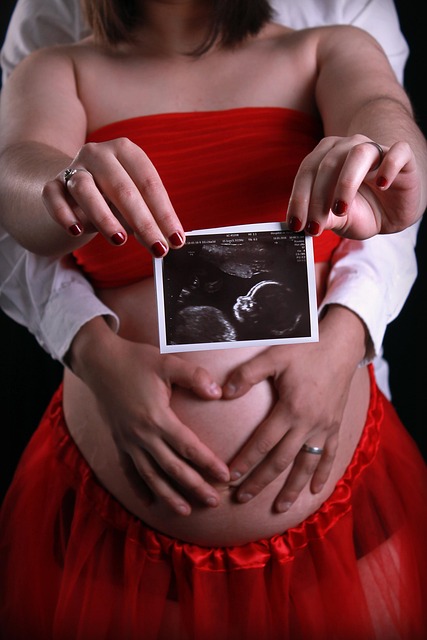
 Can Babies Remember Life in the Womb? What Expectant Parents Should Know About Prenatal Memory, Bonding, and Early Development
Pregnancy is often talked about in terms of growth charts, trimesters, prenatal appointments, and nursery preparation. We count kicks, compare fruit sizes, read about fetal development week by week, and try to make sense of all the physical and emotional changes happening along the way. In so many ways, pregnancy is framed as a period of becoming — a time when a baby is developing the organs, systems, and strength they’ll need for life after birth.
But what if pregnancy is not only a time of physical development? What if it is also a time of relationship, awareness, sensory learning, and emotional experience? What if babies are not simply “waiting” in the womb for life to begin, but are already participating in it in ways we’re only beginning to understand?
That question sits at the heart of a fascinating conversation I had with psychiatrist, researcher, and prenatal psychology pioneer Dr. Thomas Verny. In his work over several decades, Dr. Verny has explored a provocative and often deeply moving idea: that babies may remember aspects of their time in the womb and even their birth experiences. His work challenges the previously long-held belief that babies are essentially blank slates who remember nothing before birth and in early infancy. Instead, he suggests that unborn babies may be more aware, more responsive, and more shaped by their early environment than many of us were taught to believe.
For expectant and new parents, this idea can stir up a lot of feelings. It can feel beautiful, hopeful, validating, and even a little overwhelming. If babies are already hearing, sensing, learning, and forming impressions before birth, what does that mean for pregnancy? What does it mean for bonding? For stress? For the emotional environment around a growing baby? And how do parents hold all of that without turning pregnancy into another arena for perfectionism?
In this article, we’ll unpack the major themes from our conversation with Dr. Verny’s on The Prepared for Parenthood Podcast and explore what they might mean in real life. We’ll look at what prenatal memory is, how babies may learn in the womb, why prenatal bonding matters, how stress and support can shape the prenatal environment, and how parents can take all of this in without adding pressure to an already vulnerable season. Most importantly, we’ll come back again and again to a grounding truth: the takeaway here is not perfection. It’s relationship, support, and a more compassionate understanding of the earliest beginnings of human life.
The Big Question: Can Babies Really Remember Life in the Womb?
For many people, the idea that babies might remember life in the womb sounds surprising, even implausible. We tend to think of memory in adult terms: recalling a conversation, remembering a birthday party, or being able to tell a story about something that happened years ago. When we hear the word memory, we often think of conscious, verbal, narrative memory — the kind we can describe and revisit.
But prenatal memory is not necessarily that kind of memory.
Dr. Verny’s work invites us to think about memory more broadly. Rather than imagining a baby in the womb consciously “remembering” pregnancy the way an older child might remember a trip to the zoo, he points to the possibility that babies may form early impressions, embodied experiences, sensory associations, and emotional patterns before birth. These early forms of memory may not be accessible as spoken stories later in life, but they may still shape how a baby experiences the world, how they respond to familiar voices and sounds, and how their developing nervous system organizes itself around safety, stress, and connection.
That distinction matters. If we only define memory as something verbal and consciously retrievable, then prenatal memory can sound impossible. But if we understand memory more expansively — as the laying down of sensory, emotional, and physiological experience throughout the body, not just in the developing brain — then the conversation becomes much more nuanced.
In the interview, Dr. Verny describes how his own curiosity about prenatal memory emerged not from a theoretical position, but from experiences with patients and stories that seemed difficult to explain using the standard assumptions he had been taught in psychiatry. Those experiences opened a question for him: could babies be more aware than we believed, and could earlier experiences be more deeply retained than conventional developmental models allowed for?
Dr. Verny’s work raises a worthwhile and important challenge to the “blank slate” view of babies. It asks us to consider whether the earliest chapter of life might be more active, relational, and meaningful than we once thought.
The “Blank Slate” Story Many of Us Were Taught
For a long time, mainstream culture and much of medicine treated babies — especially unborn babies and newborns — as relatively passive beings. The dominant story was that awareness, meaningful learning, and memory came later, once the brain was more fully developed and the child could consciously interact with the world. In that framework, pregnancy was largely understood as a biological process of building a body. Emotional life, learning, and relationship were assumed to come later.
That way of thinking shaped a lot of parenting advice, medical assumptions, and even cultural language. It encouraged the idea that pregnancy was a waiting room before “real” parenting began. It also made it easier to minimize what babies might be experiencing during pregnancy, labor, birth, and the earliest postpartum period.
But over time, research and clinical observation began to complicate that picture. Scientists learned more about fetal sensory development. We began to understand more about the role of the nervous system, the impact of prenatal stress, the importance of attachment, and the ways babies respond to voices, rhythms, and repeated experiences. Fields like prenatal and perinatal psychology started asking broader questions about what babies may be perceiving and how early those perceptions begin to matter.
Dr. Verny’s work sits within that shift. He is part of a broader effort to move away from seeing babies as passive recipients of development and toward seeing them as participants in a dynamic, relational process from the very beginning.
For parents, this shift can feel both profound and intuitive. Many people already sense, at some level, that their baby is not simply “there” during pregnancy in a purely physical sense. They notice that the baby seems to respond to certain music, settle when they hear a familiar voice, kick during a favorite routine, or calm after hearing the same song postpartum that was played often during pregnancy. They experience moments that feel relational long before birth, even if they don’t have a scientific framework for them.
This doesn’t mean every prenatal experience is permanently encoded in a dramatic way. It means that babies may be active, sensing, learning beings much earlier than we once imagined. And that changes how we think about pregnancy itself.
When Might Memory Begin?
One of the most important questions in this conversation is not philosophical, but biological: when might babies actually be capable of forming memories?
In the interview, Dr. Verny points to evidence suggesting that by the end of the second trimester — roughly six months after conception — babies have the neurological and cellular capacity to begin laying down memories.
It’s worth pausing here to acknowledge that memory is complex, and prenatal memory remains an evolving field. Researchers don’t all define memory the same way, and not all scientists agree on how far prenatal memory extends or how it should be understood. But even across different perspectives, there is broad recognition that the fetus is not inert. By the second and third trimesters, babies are responding to sensory input, showing patterns of recognition, and participating in a sophisticated biological exchange with the pregnant parent’s body.
So, when Dr. Verny talks about babies “laying down memories,” it can be helpful to think in terms of early encoding rather than conscious recollection. A baby may be learning the rhythm of a parent’s voice, the cadence of a language, the emotional tone of repeated interactions, or the physiological environment of calm versus stress. Those experiences may shape the baby’s nervous system, preferences, and responses after birth, even if the baby can’t later articulate them.
For parents, the practical meaning of this is not that you need to micromanage every moment of pregnancy. It’s that the prenatal period may be much more developmentally and relationally rich than older models suggested. Pregnancy is not a passive waiting period before your baby “arrives” in the world. In some real sense, your baby is already arriving into relationship long before birth.
Can Babies Hear in the Womb?
Of all the ideas discussed in the interview, one of the most accessible is the idea that babies can hear before birth.
Most people have heard some version of this by now: babies in the womb can hear sounds, especially later in pregnancy. But the implications of that are often underexplored. If babies are hearing, what exactly are they hearing? And what might it mean for them to become familiar with those sounds before birth?
Dr. Verny explains that for many years, it was assumed babies couldn’t hear much in utero because they are surrounded by amniotic fluid and buffered by the pregnant body. But research has challenged that assumption. The womb is not silent. It is full of rhythm, vibration, and sound. Babies hear the steady beat of the pregnant parent’s heart, the sounds of digestion, the rise and fall of breathing, and the muffled but recognizable sounds of voices and the outside environment.
That means the womb is not just a physical shelter. It is also a deeply sensory environment.
From a baby’s perspective, repeated sounds may become part of the texture of daily life. A certain voice may become familiar. A bedtime song may become recognizable. A household rhythm may begin to feel known. This doesn’t mean babies are “understanding” words in the way an older child would, but it does suggest they are absorbing patterns, tones, and sensory repetition.
Many parents intuitively respond to this possibility by talking, singing, or reading to their baby during pregnancy. Some do it because it feels bonding. Some do it because they’ve heard babies may recognize voices after birth. Some do it simply because it feels comforting or joyful. There is no one right way to engage with this. But the possibility that babies are hearing and becoming familiar with repeated sounds gives those moments a different kind of significance.
If your baby hears your voice every day, hears a partner’s voice at bedtime, hears the same lullaby over and over, or hears the ambient sounds of your home and routines, those experiences become part of the baby’s earliest sensory world. And that can help explain why certain sounds feel soothing or familiar after birth.
The Womb as a Relational Environment
One of the most powerful ideas in Dr. Verny’s work is that the womb is not just a biological environment. It is also a relational one.
When we think about pregnancy, it’s easy to focus on the physical realities: the placenta, the umbilical cord, fetal growth, maternal nutrition, blood flow, hormones. All of those things matter enormously. But Dr. Verny invites us to look at pregnancy as something more than a one-way transfer of nutrients from parent to baby. He describes it as a shared environment in which the baby is receiving not only physical sustenance, but also information about the world they are growing inside.
Some of that information is sensory, like sound and rhythm. Some of it is physiological, like hormones and stress signals. Some of it is emotional or relational in ways that may be harder to measure but deeply meaningful to consider.
In practical terms, this means a baby is developing within the pregnant parent’s lived experience. The baby is not outside of the parent’s body, separate from what the body is doing. The baby is immersed in it. If the parent is resting, the baby is experiencing the rhythms of that rest. If the parent is under sustained stress, the baby is part of that hormonal environment too. If a partner talks to the baby every night, that voice becomes familiar. If a parent places their hands on their belly and speaks gently, that repeated interaction may become part of the baby’s sensory and emotional world.
This way of thinking doesn’t mean parents must control everything. It means pregnancy is an environment of relationship as well as development. It’s not just that a baby is growing in the womb. A baby is growing with the womb, through the body, and inside a dynamic relational context.
For some parents, that can feel deeply affirming. It can make pregnancy feel more connected and meaningful, especially if bonding has felt abstract or difficult. For others, it can bring up anxiety, especially if pregnancy has been stressful or emotionally complicated. Both responses are understandable. That’s why it’s so important to keep pairing this conversation with compassion and support.
Stress, Hormones, and the Prenatal Environment
One of the places where parents can quickly start to feel pressure is around the subject of stress. If babies are affected by the prenatal environment, and if stress hormones pass through the placenta, does that mean every hard day is harming your baby?
No.
And it’s important to say that clearly and repeatedly.
Stress is part of being human. Stress is actually necessary for growth. Pregnancy can be physically uncomfortable, emotionally intense, logistically complicated, and socially stressful. Some parents are navigating infertility aftershocks, prior losses, high-risk pregnancies, financial pressure, difficult relationships, work demands, trauma histories, or mental health challenges. Others are simply moving through the ordinary stress of modern life while growing a baby. No one is calm and regulated all the time. That is not the standard, and it should not be.
What Dr. Verny highlights is not that stress exists, but that the prenatal environment includes physiological information. Stress hormones can cross the placenta, and ongoing, chronic, unsupported stress may affect the baby’s developing system. That doesn’t mean one stressful week, one fight, one hard season, or one anxious day defines the baby’s future. It means that support matters. Regulation matters. The wellbeing of the pregnant parent matters not only because parents matter in their own right — which they absolutely do — but also because the baby is developing inside that broader ecosystem.
This is a crucial reframing. The point is not to make parents feel responsible for eliminating all stress. The point is to strengthen the case for caring for pregnant people. If the prenatal environment matters, then emotional support, practical help, mental health care, community, safety, sleep, nourishment, and compassionate medical care all matter too.
In other words, the right response to learning that stress can affect the prenatal environment is not “parents need to do better.” It’s “parents need more support.”
That shift matters enormously. It moves the conversation away from blame and toward care. It recognizes that if we want healthy babies, we also need to care for the humans carrying them.
Can Babies Sense Emotion Before Birth?
Dr. Verny also speaks in the interview about babies receiving strong emotional signals in utero — not just physiological stress responses, but something more relational: the emotional tone surrounding the pregnancy.
This is one of the more complex parts of the conversation. Some of what Dr. Verny describes goes beyond what can be neatly measured in a lab. He suggests that babies may register whether they are being welcomed, spoken to lovingly, or surrounded by rejection or hostility. That doesn’t mean babies understand adult circumstances in a cognitive way. It means they may be affected by the emotional and physiological environment in which they are developing.
Pregnancy is not emotionally neutral. Parents bring histories, fears, hopes, grief, ambivalence, excitement, and complexity into it. Relationships, social conditions, and mental health all shape the emotional climate of pregnancy. It makes sense to wonder whether babies, developing inside that climate, are affected by it.
But again, the response to that question must be compassionate.
Many pregnancies do not begin under ideal emotional circumstances. Some are deeply wanted but complicated. Some come after loss. Some are unplanned. Some happen in the middle of depression, burnout, relationship strain, or survival. Some parents don’t feel bonded right away. Some feel numb. Some feel terrified. Some feel disconnected from their bodies or from the pregnancy itself.
None of that makes someone a bad parent.
The value in talking about emotional climate is not to suggest that only perfectly joyful pregnancies produce healthy babies. The value is in recognizing that parents deserve support, and that emotional care in pregnancy matters. If a parent feels alone, overwhelmed, traumatized, or unable to connect, the answer is not shame. It’s gentleness, care, and resources.
Why Prenatal Bonding Can Matter — and What It Actually Looks Like
If babies can hear, respond to repeated experiences, and participate in a relational prenatal environment, then prenatal bonding takes on a deeper significance.
That said, prenatal bonding is one of those phrases that can easily sound loaded or exclusionary if it’s not handled carefully. Some parents feel connected to their baby from the first positive test. Others don’t feel much until they see a scan, feel movement, or meet the baby after birth. Some want to talk to the baby all the time. Others feel awkward doing that. Some have a history of pregnancy loss and feel afraid to attach too early. Some are simply trying to get through the day.
All of those experiences are normal.
Prenatal bonding is not a test of maternal instinct or parental adequacy. It is not something you either “get right” or fail at. It is simply the process of beginning a relationship, and like all relationships, it can unfold in different ways and at different speeds.
For some parents, bonding during pregnancy might look like talking to the baby while driving, telling them about your day, or saying goodnight before bed. For others, it might mean putting on a favorite song, resting your hands on your belly, noticing the baby’s movements, journaling, or taking a quiet moment to imagine meeting them. It might mean inviting a partner, sibling, or grandparent to say hello. It might mean attending a prenatal appointment and feeling a flicker of connection during the heartbeat. It might mean crying because you finally feel the reality of this little person inside you.
It can also look very ordinary. Bonding does not need to be ceremonial or emotionally intense. It can be woven into the fabric of daily life in small, almost invisible ways.
And if bonding doesn’t feel accessible during pregnancy, that’s okay too. Relationship can begin at birth. It can deepen in the postpartum weeks. It can grow through feeding, skin-to-skin contact, soothing, caregiving, and time. The point of talking about prenatal bonding is not to create pressure. It’s to open the possibility that relationship can start earlier than we once thought, and that even small moments of connection may matter.
Pregnancy Is Not a Performance
One of the risks of any conversation about prenatal development is that it can accidentally intensify the pressure many parents already feel. Once we start talking about babies hearing everything, sensing stress, responding to emotional tone, and forming early memories, it’s easy for the inner perfectionist to take over.
Should I be talking to my baby more?
Should I never cry?
Should I stop listening to the news?
Should I make every single meal more nutritious?
Should I be doing more mindfulness, more singing, more journaling, more bonding, more resting?
Am I messing this up already?
If that’s where your mind goes, you are not alone. But it’s important to push back against that instinct.
Pregnancy is not a performance. It is not an audition for parenthood. It is not a controlled laboratory environment in which every variable must be optimized. It is a human experience lived inside a real body, in the context of real life, with all the mess, limitation, stress, and unpredictability that real life contains.
The goal is not to create a flawless prenatal environment. The goal is to cultivate as much support, safety, regulation, and connection as is realistically available — and to remember that repair, responsiveness, and care matter more than perfection ever could.
You do not need to narrate every day to your baby.
You do not need to feel blissful every time they kick.
You do not need to eliminate stress.
You do not need to “perform” bonding.
You do not need to believe every theory about prenatal memory in order to be a thoughtful, connected parent.
What you do deserve is support. You deserve people who care for you. You deserve medical providers who take your concerns seriously. You deserve rest when possible, help when needed, and space to experience pregnancy as the full emotional reality it often is. If conversations about prenatal memory teach us anything, it should be that caring for parents is not optional. It is foundational.
The Role of the Non-Gestational Parent and Other Caregivers
Another beautiful thread in Dr. Verny’s conversation is the idea that babies may begin connecting not only with the gestational parent, but also with other important people during pregnancy.
If a partner talks to the baby regularly, reads to them at bedtime, sings a particular song, or rests their hand on the belly while speaking, those repeated experiences may become familiar. That can be a meaningful invitation for non-gestational parents, siblings, and loved ones who want to feel connected before birth but aren’t sure how.
For partners especially, pregnancy can sometimes feel both intimate and strangely distant. The baby is deeply present, but also inaccessible in a physical sense. Having simple, consistent ways to connect — saying goodnight to the baby, joining in a bedtime routine, attending appointments, or speaking to the baby during moments of kicking — can help build a sense of relationship before birth.
This matters postpartum too. If a baby has already heard a partner’s voice repeatedly during pregnancy, that familiarity may support early soothing and connection after birth. Again, this is not about engineering a perfect outcome. It’s about recognizing that relationships can begin earlier than we often acknowledge.
What About Birth Memory?
Although much of this conversation focuses on life in the womb, Dr. Verny’s broader work also raises the possibility that babies remember aspects of birth itself. That idea has long been explored in prenatal and perinatal psychology, where practitioners have looked at how birth experiences might leave lasting imprints on babies and parents alike.
Birth is an intense sensory, physiological, and emotional transition. It includes pressure, sound, movement, separation, contact, and sometimes medical intervention. Whether one interprets those experiences through the lens of “memory” or through nervous system imprinting, it’s not hard to imagine that birth matters.
For parents, this doesn’t mean every difficult birth experience dooms a baby to long-term harm. It does mean birth deserves respect. It means gentleness, informed consent, minimizing unnecessary interventions and separation when possible, and supporting both baby and parents in the immediate postpartum period all matter. It also means that if a birth was frightening, traumatic, or not what you hoped for, your experience matters too. Birth doesn’t only happen to babies. It happens to parents as well.
The Idea of Cellular Memory
One of the more unusual and philosophically expansive parts of Dr. Verny’s work is his interest in cellular memory — the idea that memory may not reside solely in the brain but may be distributed through the body as part of a larger networked system.
Cellular memory emerges in Dr. Verny’s work as an attempt to explain experiences and case studies that didn’t seem fully accounted for by conventional models of memory alone. The practical takeaway is simpler: babies may be more embodied, more receptive, and more connected than older models of development once suggested. Their early experiences may matter in ways we are still learning to understand.
Sometimes it’s okay to let a big idea remain partially unresolved while still taking the invitation it offers. In this case, the invitation is to think of human development as deeply embodied and relational from the very beginning.
So What Does This Mean for Expectant and New Parents?
When you step back from all the theory and research, what does this actually mean in the day-to-day reality of pregnancy and new parenthood?
It might mean speaking to your baby sometimes because you want to, not because you have to.
It might mean asking for more help when life feels overwhelming.
It might mean taking your own stress and emotional wellbeing seriously, not as a selfish act, but as part of caring for your family.
It might mean inviting your partner into the relationship before birth in small, consistent ways.
It might mean letting pregnancy be more relational than you previously imagined.
It might mean holding your baby after birth and wondering what feels familiar to them already.
It might mean grieving that your pregnancy has been harder than you hoped and reminding yourself that hard does not mean harmful beyond repair.
It might mean noticing that the environment you’re building for your baby includes not only a car seat and diapers, but also the nervous system, support, and tenderness surrounding you.
Most of all, it may mean loosening the idea that parenting begins at birth and replacing it with something gentler and truer: parenting often begins in the slow accumulation of moments long before that.
A hand on the belly.
A whispered goodnight.
A deep breath after a hard day.
A partner singing into the dark.
A parent deciding to ask for help.
A moment of feeling the baby move and thinking, Oh, there you are.
These are not small things. They are the earliest threads of relationship.
A More Compassionate View of Pregnancy
Perhaps the most meaningful contribution of conversations like this one is not a definitive scientific conclusion, but a more compassionate view of pregnancy itself.
If babies are more aware than we once believed, then pregnancy deserves to be treated not only as a physical event but also as a relational and emotional one. If the prenatal environment matters, then caring for pregnant people matters even more than we already knew. If babies are sensing and learning in more ways we are only beginning to understand, then gentleness, support, and connection become even more worthy of our attention.
But compassion has to run in both directions. It has to include the baby, yes — and it also has to include the parent.
So if you are pregnant and reading this while feeling bonded, wonderful.
If you are reading this and feeling numb, scared, or disconnected, you are not failing.
If you are reading this after a hard pregnancy and wondering what your baby experienced, you deserve tenderness and support too.
If you are a new parent looking back and wishing you had known more, that doesn’t mean you missed your chance. Relationship is still unfolding. Repair is possible.
Pregnancy may be the beginning of memory, but it is also the beginning of an ongoing conversation between parent and child — one that continues through birth, postpartum, attachment, repair, and the thousands of ordinary interactions that make up a family’s life.
You do not need to get every part of that conversation right. You just need enough support to stay in it.
Frequently Asked Questions About Prenatal Memory, Bonding, and Baby Development
Can babies hear their parents in the womb?
Yes, babies can hear sounds during pregnancy, especially later in gestation. They may hear the pregnant parent’s heartbeat, internal body sounds, and muffled outside sounds like voices and music. Repeated sounds may become familiar before birth.
Do babies remember life in the womb?
Some researchers, including Dr. Thomas Verny, believe babies begin laying down memories in pregnancy. These may not be conscious, verbal memories like an adult’s memory of an event, but they may include sensory, emotional, and physiological impressions that shape later responses and development.
Does talking to your baby during pregnancy help?
Talking, singing, reading, or playing familiar music during pregnancy can be a simple way to build connection. Repeated sounds may also become familiar to babies after birth. There is no one “right” way to do this — it can be informal, occasional, and woven into daily life.
Can stress during pregnancy affect the baby?
Stress is a normal part of life, and parents do not need to be stress-free to have a healthy pregnancy. However, chronic, unsupported stress can affect both the pregnant parent and the baby’s developing environment. This is why emotional support, practical help, rest, and mental health care during pregnancy matter so much.
Do I need to bond perfectly with my baby before birth?
No. Prenatal bonding is not about perfection or performing the “right” feelings. It can be as simple as noticing your baby, speaking to them sometimes, resting your hands on your belly, or inviting a partner into moments of connection. And if bonding doesn’t happen during pregnancy, it can absolutely grow after birth.
Can babies recognize their parents’ voices after birth?
Many parents notice that newborns seem soothed by familiar voices they heard during pregnancy. Research suggests that babies can become familiar with repeated sounds in utero, including the voice of the gestational parent and other regularly heard caregivers.
What’s the biggest takeaway from all of this?
Pregnancy is more relational than we once thought. Babies are listening, sensing, and learning before birth — and parents deserve care, support, and compassion as they move through that reality. The goal is not perfection. It’s connection, support, and a more humane understanding of early development.
Closing Thoughts
On The Prepared for Parenthood Podcast, we believe pregnancy, birth, and early parenthood deserves thoughtful, evidence-informed, compassionate support. Conversations like this one invite us to widen our understanding of babies — not as passive passengers on the journey to birth, but as developing humans already participating in sensation, connection, and relationship.
If this topic resonates with you, we invite you to explore more resources on this website about pregnancy, birth, postpartum healing, emotional wellbeing, and the earliest foundations of attachment. You do not need to do any of this perfectly. But you do deserve support, information, and space to move through parenthood with more confidence and care.






Leave A Comment