

When a baby enters the world, everything changes in an instant.
A new little person takes their first breath. A family is transformed. And in many ways, a mother—and often a father or partner—is born too.
While modern medicine has provided many lifesaving childbirth interventions, many families are surprised to learn that one of the most powerful experiences after birth isn’t a procedure at all. It’s human connection.
The first hour after birth, often called The Sacred Hour, is a unique and biologically important period that supports bonding, attachment, breastfeeding, emotional regulation, and even long-term health outcomes for both babies and parents.
In part two of a recent conversation on The Prepared for Parenthood Podcast, I spoke with neonatologist and Association for Prenatal and Perinatal Psychology and Health (APPPAH) President, Dr. Raylene Phillips about why this first hour matters so much—and what parents and birth professionals can do to protect it.
What Is the Sacred Hour Again?
The Sacred Hour refers to the uninterrupted period immediately following birth when a newborn is placed skin-to-skin on their parent’s chest and allowed to transition gently from life in the womb to life outside it.
During this time, babies instinctively begin a remarkable process of adaptation. When given the opportunity, many newborns will move through a series of developmental stages often referred to as the “breast crawl,” eventually finding the breast and initiating feeding on their own.
But the Sacred Hour is about much more than breastfeeding.
It is a biologically programmed period designed to support attachment, emotional connection, and nervous system regulation for both baby and parent.
According to Dr. Phillips, decades of research have demonstrated that keeping mothers and babies together immediately after birth supports healthier outcomes and reduces stress for both.
Why Skin-to-Skin Contact Matters
Skin-to-skin contact isn’t simply a nice bonding activity—it is a biologically powerful experience.
Research has shown that immediate skin-to-skin contact can: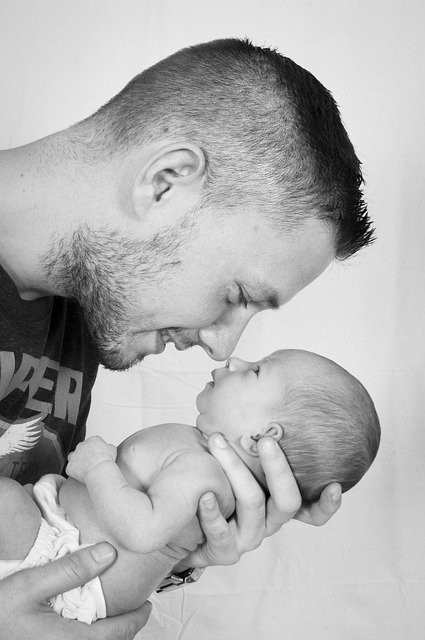
- Help regulate a baby’s temperature
- Stabilize heart rate and breathing
- Support healthy blood sugar levels
- Reduce infant stress
- Encourage successful breastfeeding
- Promote parent-infant bonding
- Increase oxytocin production
Oxytocin, often called the “love hormone,” plays a critical role in attachment and emotional connection.
When parents hold their babies skin-to-skin, oxytocin levels rise. This hormonal response helps parents feel more connected to their baby while simultaneously helping babies feel safe and regulated.
The effects aren’t limited to mothers.
Dr. Phillips notes that fathers and partners also experience measurable increases in oxytocin when they engage in skin-to-skin contact with their newborns.
What Research Teaches Us About Separation After Birth
One of the most compelling reasons to protect the Sacred Hour comes from attachment research.
Thousands of animal studies have documented the physiological and developmental effects of separating mothers and babies. While humans are not just like other animals in every respect, these studies provide important insights into how early separation impacts developing nervous systems.
Research has linked unnecessary separation with:
- Increased stress responses
- Elevated cortisol levels
- Disruptions in bonding
- Altered brain development
- Difficulties with feeding and regulation
Dr. Phillips emphasizes that when medical care can be provided without separating parents and babies, healthcare teams should strive to do so.
The goal is not to avoid necessary medical interventions. Rather, it is to recognize that emotional and psychological needs matter alongside physical health needs.
Birth Is Psychological, Not Just Medical
One of the most important messages from prenatal and perinatal psychology is that birth is not solely a medical event.
It is also a profound psychological experience.
Modern healthcare understandably focuses on safety, monitoring, and medical outcomes. These priorities are essential. However, when emotional experiences are overlooked, we miss a crucial piece of the picture.
APPPAH promotes a more integrated understanding of pregnancy and birth—one that values both physical safety and psychological well-being.
As Dr. Phillips explains, the psychological health of parents and babies deserves the same attention as medical health.
The experience of pregnancy and birth can influence:
- Parent-infant attachment
- Maternal mental health
- Stress regulation
- Emotional development
- Relationship dynamics
- Family functioning
Recognizing these factors allows parents and professionals to provide more comprehensive support.
When a Baby Is Born, a Mother Is Born Too
Many parents describe becoming a mother as one of the most transformative experiences of their lives.
Science supports that observation.
Brain imaging studies have demonstrated measurable changes in a mother’s brain during pregnancy and after birth. These changes help support caregiving, emotional attunement, and responsiveness to a baby’s needs.
The transition to parenthood is not simply a lifestyle adjustment.
It is a neurological transformation.
Understanding this can help normalize many of the emotional changes that new mothers experience.
Exhaustion, heightened sensitivity, protectiveness, emotional vulnerability, and increased awareness of a baby’s cues are often part of this profound developmental shift.
Rather than viewing motherhood solely through the lens of physical recovery, we can recognize it as a period of significant psychological growth and adaptation.
Fathers and Partners Experience Changes Too
Although much of the research has focused on mothers, growing evidence suggests that fathers and partners also undergo important biological and neurological changes when they become parents.
Studies have documented shifts in brain activity related to caregiving and attachment.
Skin-to-skin contact appears to play a particularly important role.
When fathers or parters hold their newborns skin-to-skin, oxytocin levels rise, strengthening feelings of connection and promoting nurturing behaviors.
This reinforces an important message: attachment is not limited to one parent.
Babies benefit from loving, responsive relationships with all of their caregivers.
How Stress During Pregnancy Affects Babies
Another important topic discussed during our conversation was prenatal stress.
Researchers have become increasingly aware that maternal stress, anxiety, and emotional well-being influence fetal development in meaningful ways.
This does not mean that occasional stress is harmful. Life naturally includes challenges, worries, and difficult moments.
However, chronic, high levels of stress and anxiety may affect both maternal and infant outcomes.
Research has linked significant prenatal stress with:
Increased Risk of Preterm Birth
Babies born prematurely face greater risks for a variety of health challenges. Several studies have found associations between high maternal stress levels and increased rates of preterm birth.
Lower Birth Weight
Chronic stress during pregnancy has also been associated with lower birth weights.
Increased Risk of Pregnancy Complications
Research suggests that high stress levels may contribute to complications such as:
- Preeclampsia
- Gestational hypertension
- Gestational diabetes
Changes in Infant Brain Development
Some studies have found measurable differences in infant brain development when mothers experience significant anxiety during pregnancy.
Researchers have observed changes in cortical thickness, highlighting the potential impact of prenatal experiences on neurological development.
Effects on Immune Function
Elevated stress hormones may influence fetal immune system development, potentially affecting susceptibility to illness later in infancy and childhood.
The Power of Social Support During Pregnancy
One of the most encouraging findings in prenatal mental health research is that support matters. A lot.
Dr. Phillips shared research showing that one of the strongest factors distinguishing highly anxious pregnant mothers from less anxious mothers was social support.
When mothers feel supported, connected, and cared for, stress levels often decrease.
The benefits extend beyond emotional well-being.
In one striking example, a Wisconsin county experienced a dramatic reduction in preterm births after implementing a program in which social workers visited pregnant mothers to assess:
- Housing stability
- Food security
- Social support
- Basic needs
No major medical changes had occurred. The difference was support.
This finding highlights a powerful truth: caring for pregnant families is a public health intervention.
Why Prenatal Bonding Matters
Many people think bonding begins after birth. But attachment often starts much earlier.
Long before a baby arrives, parents can begin building a relationship with the child growing inside them.
Prenatal bonding may include:
- Talking to the baby
- Singing
- Gentle touch
- Mindful connection
- Paying attention to movements
- Visualizing future interactions
These seemingly simple interactions help parents develop familiarity and emotional connection.
As Dr. Phillips explains, many parents report feeling that they already know their baby before birth. This early relationship can make the transition into parenthood feel less overwhelming and more intuitive.
Creating More Peace During Pregnancy
One theme that repeatedly emerges in research is the value of slowing down. Many modern parents are balancing demanding careers, family responsibilities, and countless daily obligations.
Yet pregnancy asks something different of us.
It invites us to create space.
Dr. Phillips shared stories from physician mothers who reflected on the importance of reducing stress and creating more calm during the final weeks of pregnancy.
For some families, this may mean:
- Taking maternity leave earlier if possible
- Reducing unnecessary commitments
- Prioritizing sleep
- Asking for help
- Practicing mindfulness
- Creating moments of rest
These small shifts can support both maternal well-being and fetal development.
How Parents Can Protect the Sacred Hour
While birth doesn’t always unfold according to plan, parents can advocate for practices that support connection whenever possible.
Consider discussing the following with your birth team:
Immediate Skin-to-Skin Contact
Ask whether your baby can be placed on your chest immediately after birth.
Delayed Routine Procedures
When medically appropriate, routine newborn assessments can often be performed while baby remains skin-to-skin.
Partner Skin-to-Skin
If medical circumstances prevent maternal skin-to-skin contact, partners may be able to provide skin-to-skin care.
A Calm Birth Environment
Creating a peaceful atmosphere can help support a gentle transition for both baby and parents.
Flexible Birth Planning
Remember that flexibility matters. The goal is not perfection but connection whenever possible.
Learning More About Prenatal and Perinatal Psychology
For families interested in exploring these concepts further, the Association for Prenatal and Perinatal Psychology and Health (APPPAH) offers extensive educational resources for both parents and professionals.
Their mission is to promote awareness of how experiences before birth, during birth, and in early infancy influence lifelong health and well-being.
APPPAH provides:
- Educational courses
- Professional trainings
- Pregnancy support programs
- Research-based resources
- Global conferences and events
Their work helps bridge the gap between medical care and psychological well-being, recognizing that both are essential for healthy families.
Final Thoughts: The First Hour Is About More Than an Hour
The Sacred Hour is not simply sixty minutes on a clock. It represents a philosophy of care.
A reminder that babies arrive already capable of connection.
A reminder that parents are biologically wired to respond.
And a reminder that relationships begin long before a child can speak.
When we protect opportunities for attachment, nurture emotional well-being during pregnancy, and recognize the importance of early connection, we support not only healthier births—but healthier families.
Because from the very beginning, connection matters.
Would you like support for Birth Trauma Treatment?


Leave A Comment