

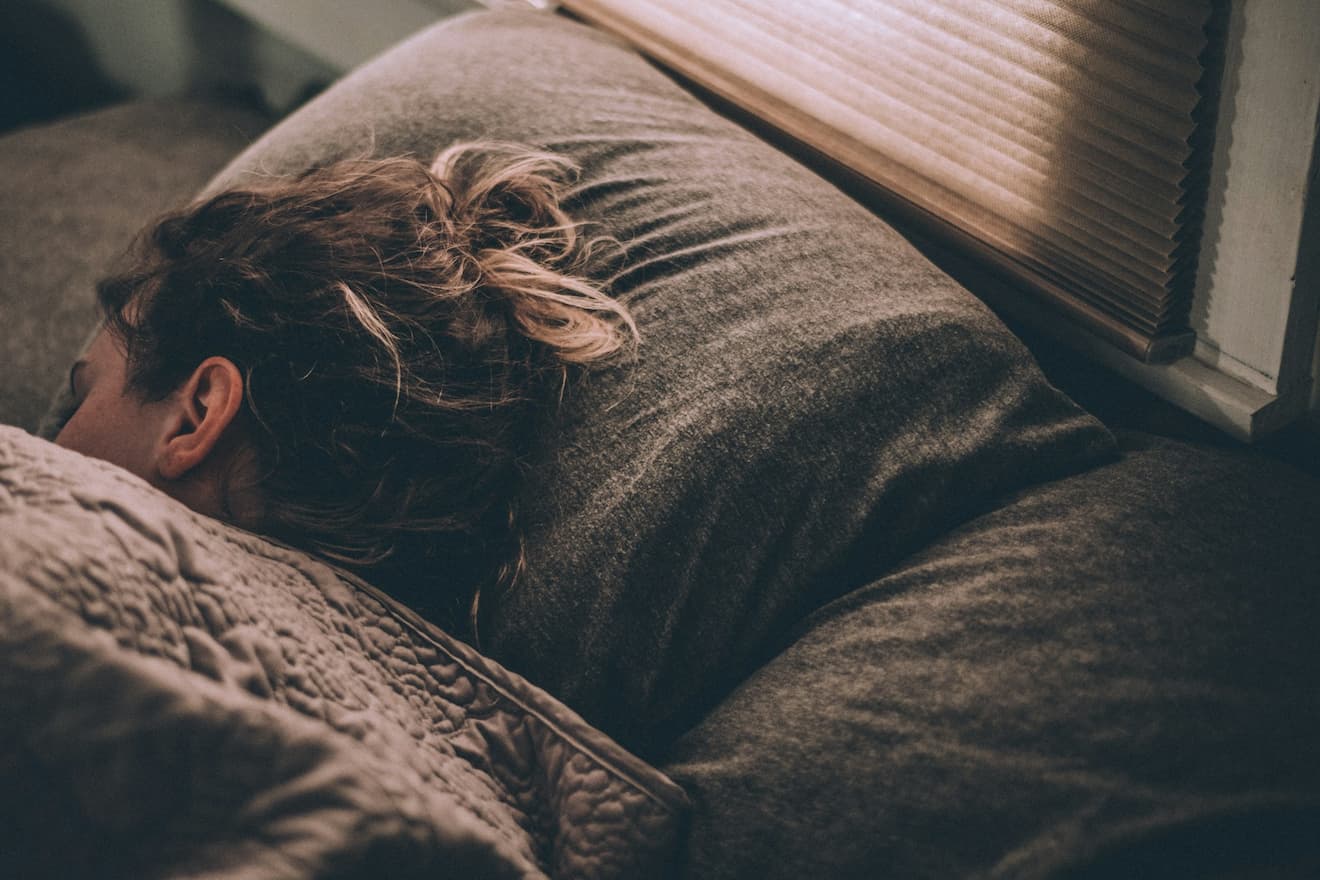
Sleep is essential to our health, yet for many people, the simple act of falling asleep can become a source of stress and worry. If you find yourself lying awake at night, your mind racing with anxious thoughts about not sleeping, you might be experiencing sleep anxiety—a common but often misunderstood challenge.
Understanding what sleep anxiety is and how it affects your body and mind is the first step toward finding relief. Fortunately, there are effective strategies that can help calm your nervous system, ease worry, and restore peaceful rest.
What Is Sleep Anxiety?
 Sleep anxiety happens when worry about sleep itself causes difficulty falling or staying asleep. It’s a cycle where fear of not sleeping leads to increased tension, which then makes sleep even more elusive. This can leave you exhausted and frustrated, making it harder to break the pattern.
Common symptoms include racing thoughts, physical restlessness, a pounding heart, and feeling on edge as bedtime approaches.
Why Does Sleep Anxiety Happen?
Several factors can contribute to sleep anxiety. It often develops after a period of poor sleep or insomnia, when people start to fear the consequences of not getting enough rest—like feeling irritable, unfocused, or overwhelmed the next day.
Stressful life events, changes in routine, or underlying anxiety disorders can also make the problem worse. Sometimes, the pressure to “just fall asleep” makes it even harder because your brain interprets it as a demand, triggering a fight-or-flight response that keeps you alert.
How Can You Fix Sleep Anxiety?
- Build a Relaxing Bedtime Routine: Establishing calming rituals before bed can help signal your brain that it’s time to wind down. Consider gentle stretches, deep breathing exercises, reading something light, or listening to soothing music. Avoid screens and bright lights at least an hour before sleep, as blue light can interfere with your natural sleep cycle.
- Practice Mindfulness and Meditation: Mindfulness encourages you to observe your thoughts without judgment, which can reduce the power of anxious thinking. Simple meditation or guided imagery can help quiet your mind and bring focus back to the present moment instead of worries about sleep.
- Limit Clock-Watching: Constantly checking the clock when you can’t sleep increases stress and sleep anxiety. Try turning your clock away or covering it so you aren’t tempted to monitor the time. Remember, worrying about how much sleep you’re missing only makes it harder to fall asleep.
- Create a Comfortable Sleep Environment: Make your bedroom a sanctuary for rest. Keep the room cool, dark, and quiet. Invest in a comfortable mattress and pillows that support your preferred sleeping position. Removing distractions and ensure your space feels safe and relaxing.
- Challenge Negative Thoughts About Sleep: Sometimes sleep anxiety stems from unhelpful thoughts like “If I don’t get 8 hours, tomorrow will be terrible.” Try to replace these with kinder, more realistic thoughts such as, “Even a little rest can help me feel better.”
- Consider Professional Support: If sleep anxiety is persistent and affecting your quality of life, seeking help from a therapist trained in cognitive-behavioral therapy for insomnia (CBT-I) or anxiety can be invaluable. These professionals can help you identify and change the thought patterns and behaviors that keep you stuck in the cycle of sleep anxiety.
Peaceful Sleep Is Possible
Sleep anxiety can feel isolating but it doesn’t have to control your nights. By understanding what triggers your anxiety around sleep and taking steps to calm your mind and body, you can regain restful nights and energized days. Remember that sleep is a natural process. With patience, kindness to yourself, and the right tools, peaceful sleep is within reach.
If this is something you’ve been struggling with, consider therapy for anxiety or trauma. You deserve rest and relief and there is help available to guide you toward both.






Leave A Comment